
Why Implement Home Lighting Upgrades?
Upgrading home lighting offers numerous benefits beyond basic functionality:
- Energy Efficiency: Modern LED lighting significantly reduces electricity consumption compared to incandescent or CFL bulbs, leading to substantial cost savings and a reduced environmental footprint.
- Enhanced Ambiance: Advanced lighting controls, such as dimmers and accent lighting, provide precise control over a room’s mood and aesthetic, adapting from bright task illumination to soft, inviting glows.
- Improved Safety & Security: Strategic lighting, including well-lit pathways and motion-sensor outdoor fixtures, enhances safety by preventing accidents and deterring unauthorized entry.
- Increased Home Value: Updated and energy-efficient lighting systems are a key selling point, enhancing a property’s appeal and market value to potential buyers seeking move-in ready homes.
- Optimized Functionality: Tailored lighting solutions improve the practicality of various spaces, such as focused task lighting for kitchens or dedicated reading illumination in living areas.
The Guide to Smart Home Lighting Upgrades
Implementing effective lighting upgrades involves a structured approach:
Step 1: Conduct a Lighting Audit
Begin by evaluating existing lighting throughout the home. Assess:
- Adequacy of light for specific activities within each room.
- Presence of dark areas or shadows.
- Efficiency and modernity of current fixtures.
- Need for dimmer controls.
- Sufficiency of outdoor lighting for safety and security.
This audit forms the foundation for subsequent upgrade decisions.
Step 2: Transition to LED Technology
The adoption of LED lighting is fundamental for contemporary home lighting upgrades.
- Energy Efficiency: LEDs offer significant reductions in energy consumption.
- Longevity: LED bulbs have a considerably longer operational life, minimizing replacement frequency.
- Versatility: LEDs are available in diverse color temperatures (from warm to cool), shapes, and sizes, accommodating various design requirements.
Step 3: Implement Layered Lighting Design
Effective lighting design incorporates multiple layers for optimal functionality and aesthetic appeal:
- Ambient Lighting: Provides general illumination for a space, typically from recessed fixtures, ceiling lights, or track lighting.
- Task Lighting: Offers concentrated illumination for specific activities, such as under-cabinet lighting in kitchens or desk lamps in home offices.
- Accent Lighting: Highlights architectural features or objects, including spotlights for artwork or uplighting for plants.
A comprehensive lighting scheme integrates all three layers to create dynamic and practical environments.
Step 4: Integrate Smart Lighting Controls
Modern lighting controls enhance convenience and efficiency:
- Dimmers: Essential for adjusting light intensity, creating ambiance, and conserving energy.
- Motion Sensors: Ideal for areas requiring temporary illumination, such as bathrooms, pantries, and outdoor security applications.
- Timers & Photocells: Automate outdoor lighting operation based on time of day or ambient light levels.
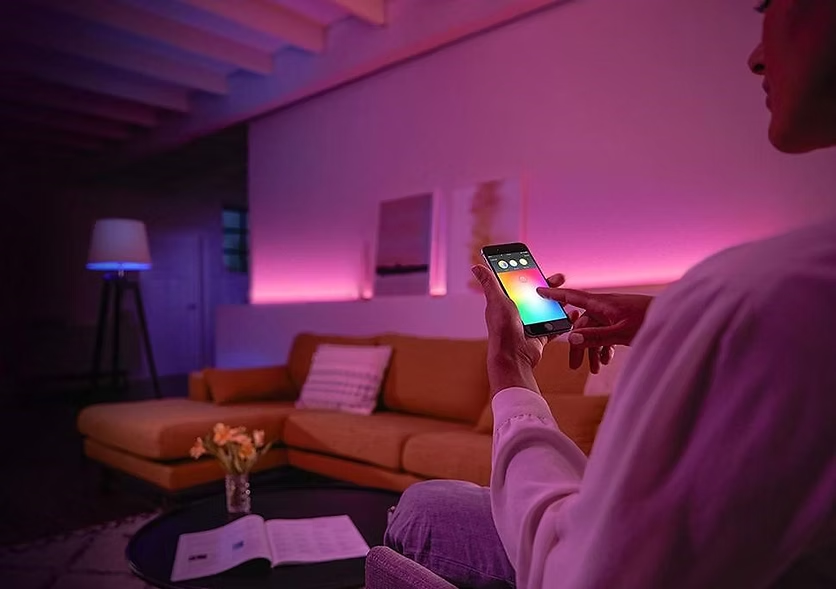
- Smart Home Integration: Allows control via smartphones, voice assistants, and customizable routines for automated lighting management.
Step 5: Engage Professional Electrical Services
While basic bulb replacement is straightforward, complex installations or modifications require professional expertise. Electrical work carries inherent risks, and improper installation can lead to hazards or costly repairs.
Consult a qualified master electrician for:
- Installation of new recessed lighting.
- Addition of new outlets or switches.
- Electrical panel upgrades to support increased load.
- Wiring for outdoor landscape lighting.
- Diagnosis and repair of persistent electrical issues.
- Integration of sophisticated smart home lighting systems.
Home lighting upgrades represent a significant opportunity to enhance a property’s comfort, efficiency, safety, and market value. By following these guidelines and engaging professional assistance when necessary, homeowners can achieve optimal illumination.