When the power goes out, life grinds to a halt. The refrigerator stops humming, the air conditioning goes silent, and the lights flicker off. In today’s interconnected world, a reliable power source is more than a convenience—it’s a necessity. This is why investing in a home generator is a smart decision for any homeowner. This guide will walk you through everything you need to know about home generator installation, from choosing the right unit to understanding the process and benefits.
The Power of a Backup: Why You Need a Home Generator
A home generator provides peace of mind and protection during unexpected power outages. The benefits extend beyond simply keeping the lights on.
- Protect Your Home & Family: A generator ensures your essential systems continue to run. This includes heating and cooling, which is crucial in extreme weather, as well as medical equipment, security systems, and sump pumps to prevent flooding.
- Preserve Your Valuables: Without power, food in your refrigerator and freezer can spoil, and sensitive electronics can be damaged by sudden power surges. A backup generator protects your investments.
- Maintain Your Routine: With a generator, you can continue to work from home, cook meals, and stay connected. It prevents the disruption and stress that a prolonged power outage can cause.
- Increase Property Value: A professionally installed home generator is a significant asset that adds value to your property, making it an attractive feature for future buyers.
Choosing the Right Generator for Your Home
The first step in a successful home generator installation is selecting the correct type and size of generator. Generators are generally categorized as either portable or standby.
- Portable Generators: These are manually operated units that are typically smaller and more affordable. They can power a few select appliances via extension cords. While they offer a good short-term solution, they require manual fueling, have a shorter lifespan, and cannot power an entire house.
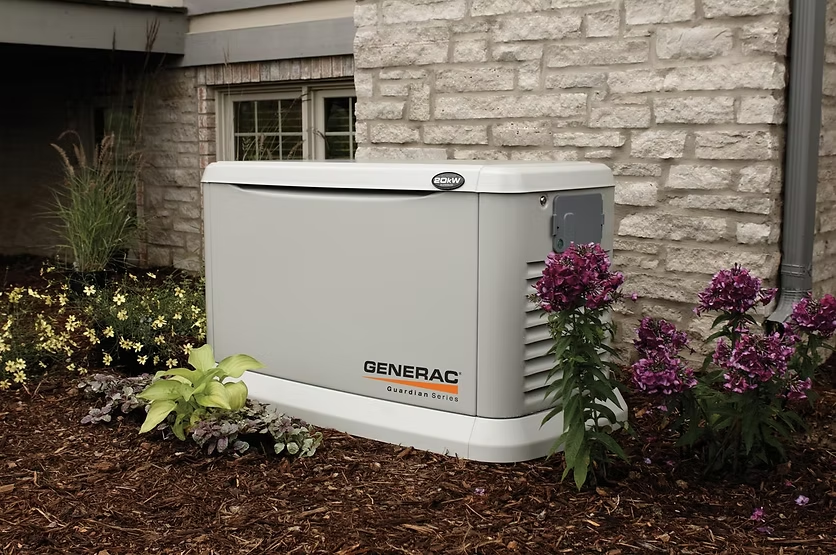
- Standby Generators: These are permanently installed, whole-home solutions. A standby generator automatically turns on within seconds of a power outage, providing seamless power to your entire home. They are fueled by natural gas or propane, so there is no need for manual refueling. This is the ultimate solution for a truly hands-free, reliable backup power system.
The size of the generator is determined by your power needs. An electrician will perform a load calculation to assess which appliances and systems you want to power during an outage. This ensures your new generator can handle the demand without being overloaded or wasting fuel.
The Home Generator Installation Process: What to Expect
A professional home generator installation is a multi-step process that should always be handled by a licensed electrician and qualified technicians. Here’s a general overview of the steps involved:
- Site Assessment and Planning: An electrician will visit your home to determine the best location for the generator. The site must comply with local and national codes regarding distance from your home, windows, and other structures.
- Electrical & Gas Connections: This is the most critical part of the installation. A transfer switch is installed to safely connect the generator to your home’s electrical panel. This switch automatically transfers power from the utility grid to the generator during an outage and back again when power is restored. A qualified technician will also connect the generator to your home’s fuel source (natural gas or propane).
- Final Installation and Testing: The generator is securely placed on its pad, and all electrical and gas lines are connected. Once everything is in place, the technician will perform a final inspection and test the unit to ensure it operates correctly. This includes simulating a power outage to verify that the transfer switch functions as intended.
- Permitting and Code Compliance: A professional installer handles all necessary permits and ensures the entire installation adheres to all local building codes and regulations. This is vital for safety and insurance purposes.
Don’t Wait for the Next Storm
In a world where uninterrupted power is non-negotiable, a standby home generator is the ultimate investment in your family’s safety and comfort. Don’t wait for the next power outage to realize you need one.